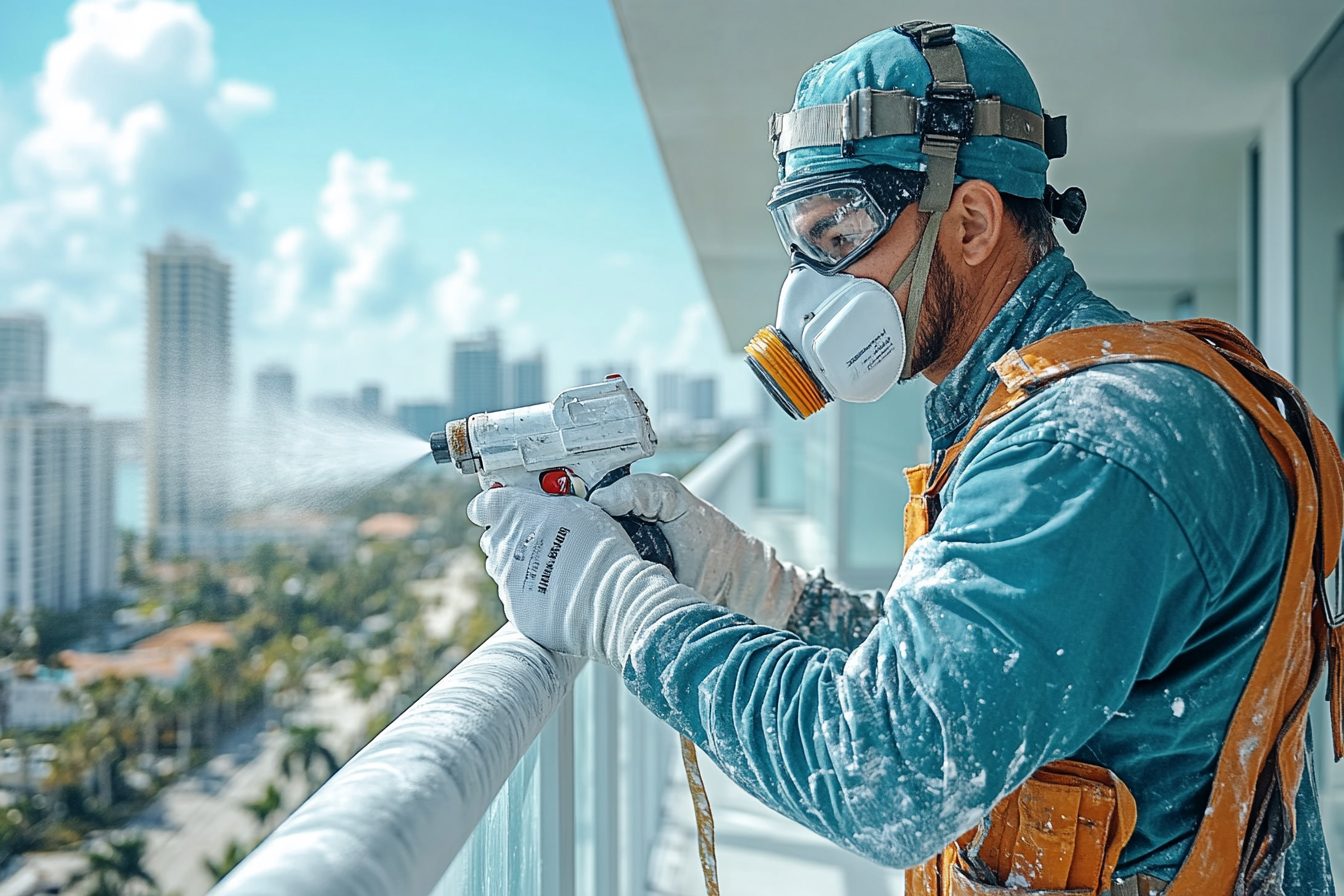
A properly applied electrostatic coating is only half the equation — how it is maintained afterward determines how long it actually lasts, especially in a coastal climate. Here is what actually helps.
Regular Rinsing to Remove Salt Deposits
Clean coated surfaces at least every 3-6 months. For fences, railings and outdoor metal furniture, rinsing with fresh water and a mild soap when needed removes salt deposits, pollutants and other residue before they have a chance to sit on the coating and work at its edges.
Gentle Cleaning Techniques
Avoid abrasive cleaners, steel wool or harsh chemicals that can dull or damage the coating. Soft cloths, sponges or soft-bristled brushes are appropriate. If you are unsure about a cleaning product, test it on a small, inconspicuous area first.
Watch for Irrigation and Pool Chemical Overspray
Sprinkler heads that hit fences and gates, and pool chemicals that drift onto nearby railings, are a common and often overlooked cause of localized coating breakdown. Adjusting irrigation angles and rinsing off chemical residue near pools can meaningfully extend the life of the finish in those specific spots.
Address Damage Promptly
If you notice chips, scratches or areas where the coating has been compromised, address them quickly. Small breaks in the film let moisture and salt reach bare metal, and rust that starts under a coating spreads before it becomes visible on the surface.
Seasonal Inspections
In Florida's climate, it's worth inspecting coated metal before and after hurricane season. Check for damage from debris, wind or standing water that may have affected railings, gates or fencing.
Professional Touch-Up and Reassessment
A periodic professional look at coated metal every couple of years can catch early adhesion problems or localized corrosion before they spread, and a touch-up at that stage is far less involved than a full recoat later.