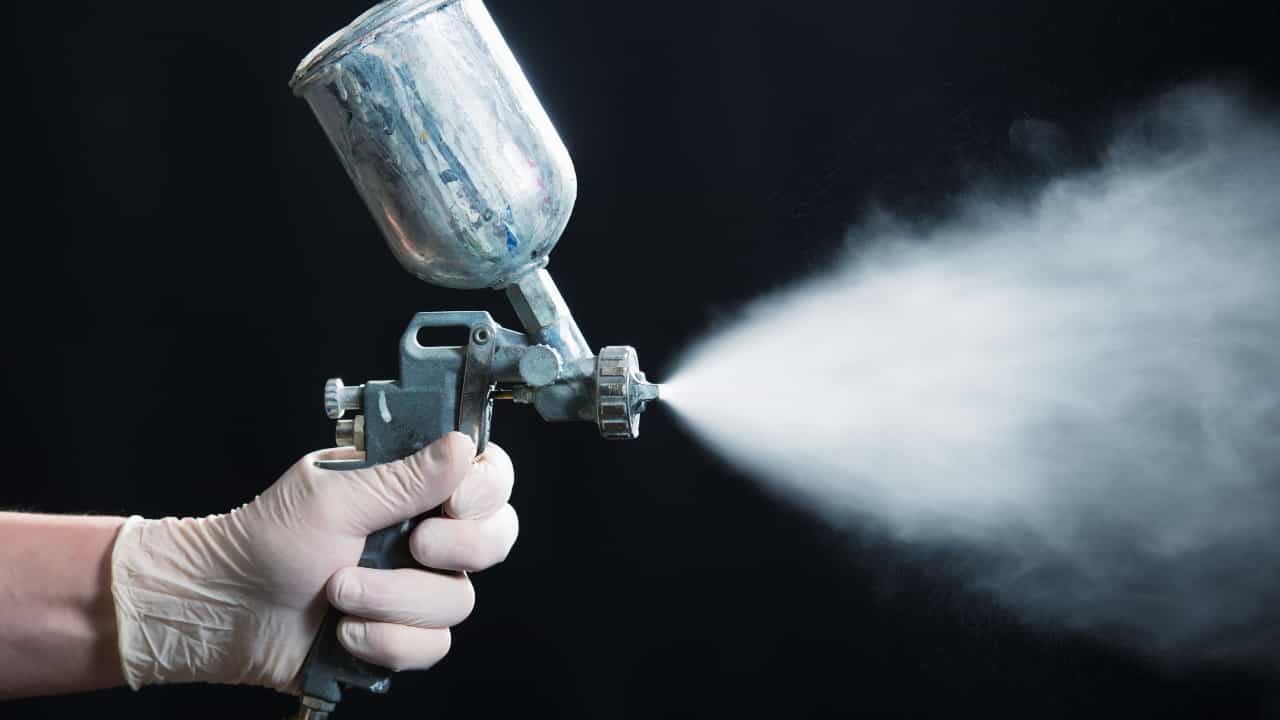
Electrostatic painting offers a distinct approach to coating metal surfaces, with real advantages over brush, roller or conventional spray methods. The science behind it is straightforward: an electrical charge is applied to the paint particles while the metal object is grounded, creating an attraction between the paint and the surface.
Superior Coverage
Because of that electrical attraction, paint particles are drawn to the metal surface from multiple angles rather than only where the spray gun is pointed. This wraps coating around pickets, brackets, hinges and other complex shapes that are otherwise hard to reach evenly, producing a uniform coating without drips, runs or missed spots.
Substrate Matters as Much as the Spray Method
Coverage only matters if the surface underneath is properly identified and prepared. Steel, aluminum, wrought iron and galvanized metal each need a different cleaning approach and a compatible primer. Before any coating is charged and applied, the surface is cleaned and degreased, loose or failed material is removed, and any active corrosion is treated so the new film is bonding to sound metal rather than sealing in rust.
Enhanced Durability
Electrostatic coatings form a stronger bond with the metal surface, resulting in a finish more resistant to chipping, peeling and fading. That matters in Miami's climate, where salt air, intense UV exposure and high humidity deteriorate conventional paint jobs quickly, especially at edges and fasteners where thin conventional coats fail first.
Efficiency and Less Waste
Because charged particles are drawn to the grounded surface instead of drifting past it, electrostatic application wastes less material than conventional spraying. That means less overspray landing on surrounding surfaces, easier containment on occupied properties, and lower material consumption on large jobs.
Practical Value Over Time
The upfront cost of a properly prepared electrostatic job can be higher than a quick repaint, but a coating that actually bonds and covers evenly needs to be redone far less often. For property owners weighing the two approaches side by side, the comparison usually comes down to how each method performs once it is exposed to real weather, not how it looks on day one.