The short answer
An exterior coating should be chosen for the metal, its existing finish and its exposure, not just a color. Sound gates, railings, stair structures and equipment housings may be refinishing candidates after contamination, water traps and repair needs are assessed.
Begin with the metal and the source of deterioration
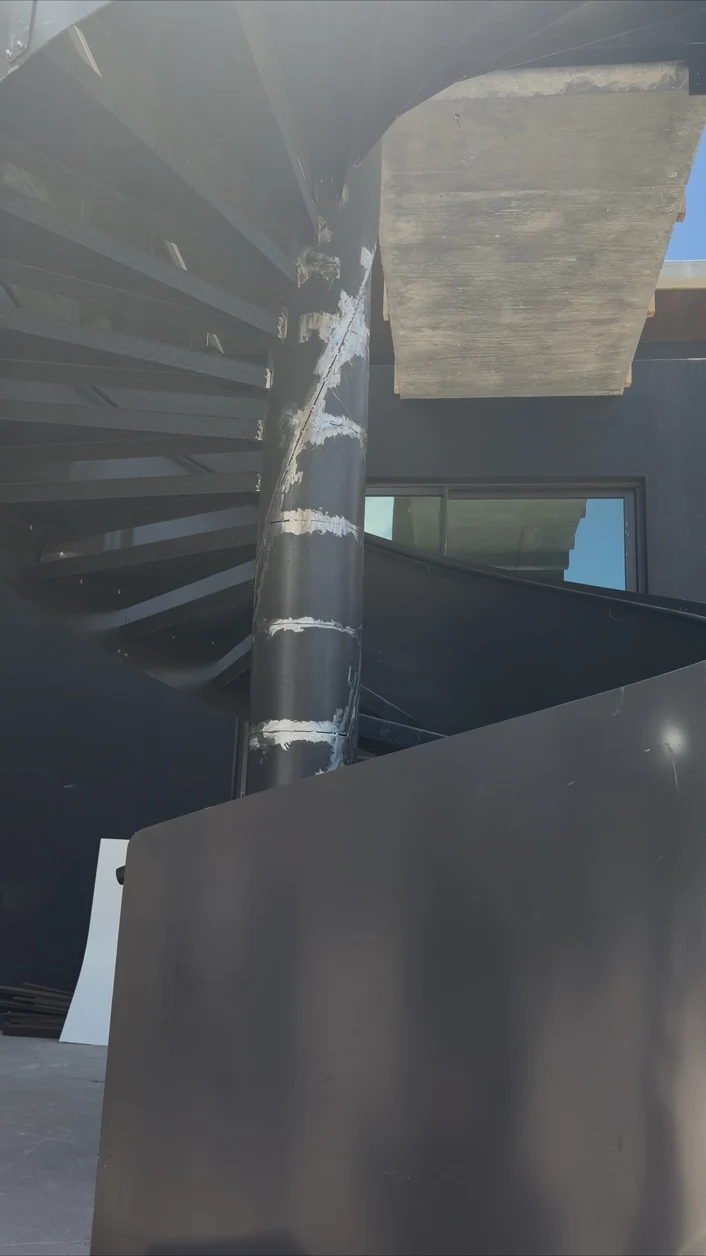
Steel rust and aluminum oxidation are different problems. Rust can expand beneath steel paint and open joints, while aluminum may chalk, develop white corrosion products or pit under a damaged finish. Neither appearance alone tells you how much sound metal remains. On gates, railings and stair structures, examine attachments, underside surfaces and welds rather than judging only the front face. An equipment housing may also have leaks or heat exposure that an architectural coating cannot address. Significant section loss or unsafe attachments require a repair or replacement evaluation before the finish is discussed.
Before we discuss color, we look at the metal and why the old finish failed. For example, a Miami Beach gate exposed to salt air and a Boca Raton railing beside irrigation may need different contamination and drainage checks. Look for blocked drainage, salt deposits, failed sealant, mixed-metal contacts and joints that stay wet. Repairing the water source or specifying compatible fasteners may matter more than adding another coat. Record those findings in the scope so the owner understands which conditions painting can address and which remain the responsibility of another qualified trade.
For local access and service information, see metal services in Miami Beach.
Steel, aluminum and galvanized steel need different preparation
A quotation should identify the substrate and describe what is being retained. Bare steel, previously painted aluminum and galvanized steel are not interchangeable. On steel, the extent of rust and old coating failure affects the removal method and the primer requirements. On aluminum, oxide removal and adhesion preparation must avoid unnecessary metal loss and ferrous contamination. Galvanized surfaces need evaluation of zinc condition, weathering and any surface treatment that could interfere with adhesion. A test area can expose poor bonding or incompatibility before a full gate or railing is committed to the proposed system.
A sound-looking old finish is not automatically a dependable base. Check adhesion, chalking and sensitivity to the proposed materials; identify unknown layers as an uncertainty rather than promising to bury them. The chosen manufacturer should approve preparation and primer compatibility for the actual metal and retained coating. A primer that works on cleaned steel may be inappropriate over zinc or an aluminum finish. Where old coatings are unsuitable, the scope should state how removal, waste handling and any newly exposed repair needs will be priced and authorized.
| Metal | Preparation issue | Specification question |
|---|---|---|
| Steel | Rust, mill scale, failed paint and section loss | What cleanliness and profile does the chosen system require? |
| Aluminum | Oxidation, pitting, finish compatibility and contamination | How will adhesion be established without damaging thin metal? |
| Galvanized steel | Zinc condition, surface treatments and unsuitable old paint | Is the preparation and primer approved for this zinc surface? |
Source note: Sherwin-Williams surface preparation guidance. General preparation guidance supports contaminant removal and substrate-specific work. The selected coating's current product data governs the project.
Remove contamination before creating a coating profile
Cleaning comes before abrasion. Oil, grease, silicone residues and other contaminants can be spread into the surface by sanding or blasting. Coastal metal may also carry soluble salts that are not obvious after paint removal. Specify the cleaning method, salt testing where required and the acceptance criteria established for the selected system. Blasting alone is not a guarantee that salts or oil have been removed. The preparation sequence should include rechecking surfaces after cleaning, removal of preparation debris and protection against fresh contamination before primer application. The owner should know who verifies that the prepared metal is ready.
Tell us whether you have steel or aluminum, your city and where the finish is failing. Overall photos and close views of joints help us discuss preparation, repairs and a coating scope. Start with the estimate form for a project description, or email photos to info@electro-paint.com.
Specify the system, edges and measurable film build
An approved two-component epoxy primer with a compatible weather-resistant polyurethane topcoat may be one option, but it is not a recipe for every exterior asset. Exposure to UV, cleaning chemicals, abrasion and standing moisture affects the selection. Ask for the actual product names, substrate approval, application instructions and any restrictions on retained finishes. Edges, welds and crevices need particular attention because coverage can be uneven. Stripe coating may be specified for these locations as part of the approved system; it should not become an improvised extra layer that exceeds the product's limits.
Number of coats is an incomplete quality measure. The scope should identify specified dry film thickness per coat and for the total system, with suitable verification for the substrate. A wet film check during application helps control the eventual dry film, but the two measurements are not identical. Existing retained paint affects total thickness readings. Mixing, pot life, recoat windows and cure requirements also govern the finished system. More material is not automatically better: excessive build can interfere with drying, fit and performance. Ask what readings and inspection records will be included in the closeout.
Source note: DeFelsko coating thickness measurement principles. Measurement methods depend on the coating, substrate and geometry. The guide does not prescribe a universal protective-coating thickness.
Plan weather, electrostatic suitability and protection
On-site electrostatic spray painting is a liquid application method, not a particular coating chemistry. It can be considered where conductivity, grounding, coating suitability and safe access support it. Recesses and mixed materials still require careful coverage planning and masking. Glass, landscaping, seals, hardware and neighboring property need protection; reduced overspray is not zero overspray. Application must stay within the chosen product's limits for air and surface temperature, humidity and dew point relationship. A sunny forecast does not rule out condensation on metal. Agree on weather holds and the access needed during cure rather than promising a fixed completion date regardless of conditions.
Agree on inspection and a practical maintenance plan
Our scope should tell you what gets prepared, what gets protected, which repairs are included and how the finish will be checked. Define quantities, accessible surfaces, exclusions, color sample approval and how hidden deterioration will be handled. Compare estimates on that full basis rather than on a coat count. At completion, inspect coverage, visible defects, masking removal and the agreed thickness records. Identify deferred areas and provide the selected coating's care instructions. Regular gentle cleaning and inspections of chips, joints and drainage help owners catch deterioration before it spreads. Avoid unapproved harsh cleaners or abrasive pads. Touch-up should follow a compatible repair procedure, not simply cover a rusty spot with leftover color. Maintenance frequency depends on actual exposure and condition, not a universal lifetime promise.
Project Details and Metalwork Examples
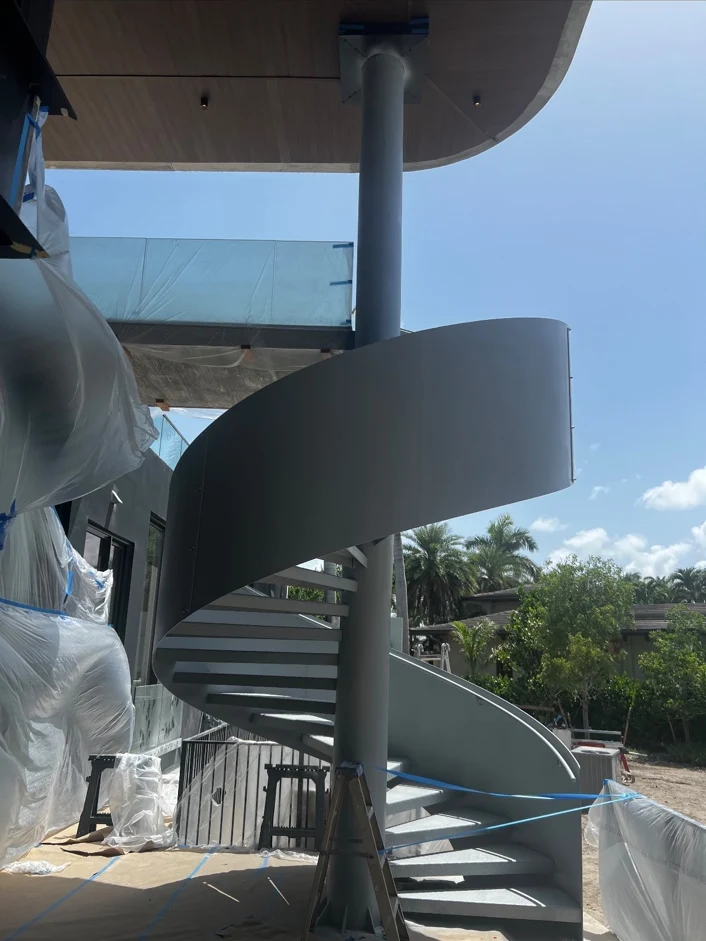
These owner-provided views show visible condition and work settings. Separate assemblies and projects are not presented as a matched before-and-after sequence.
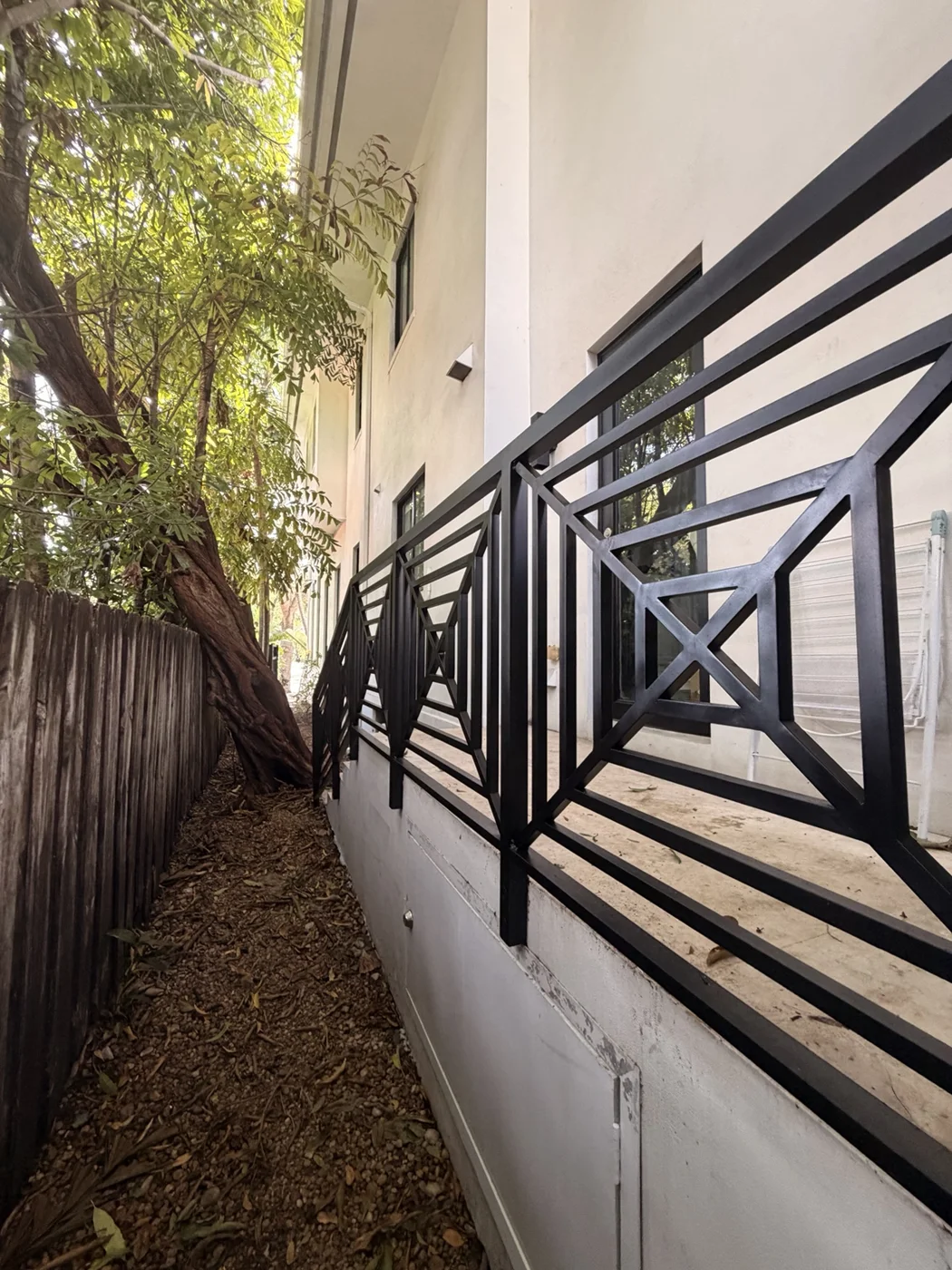
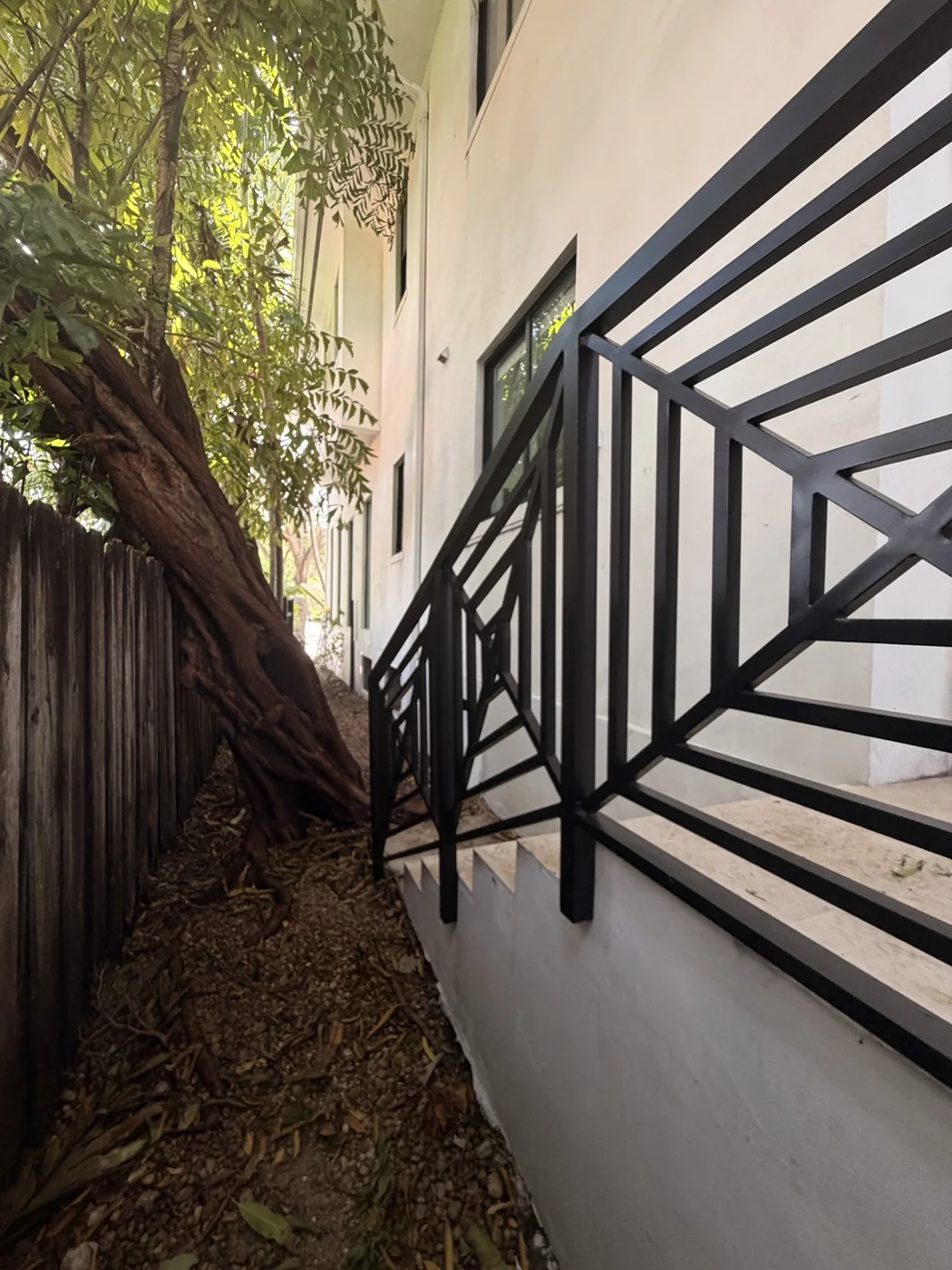
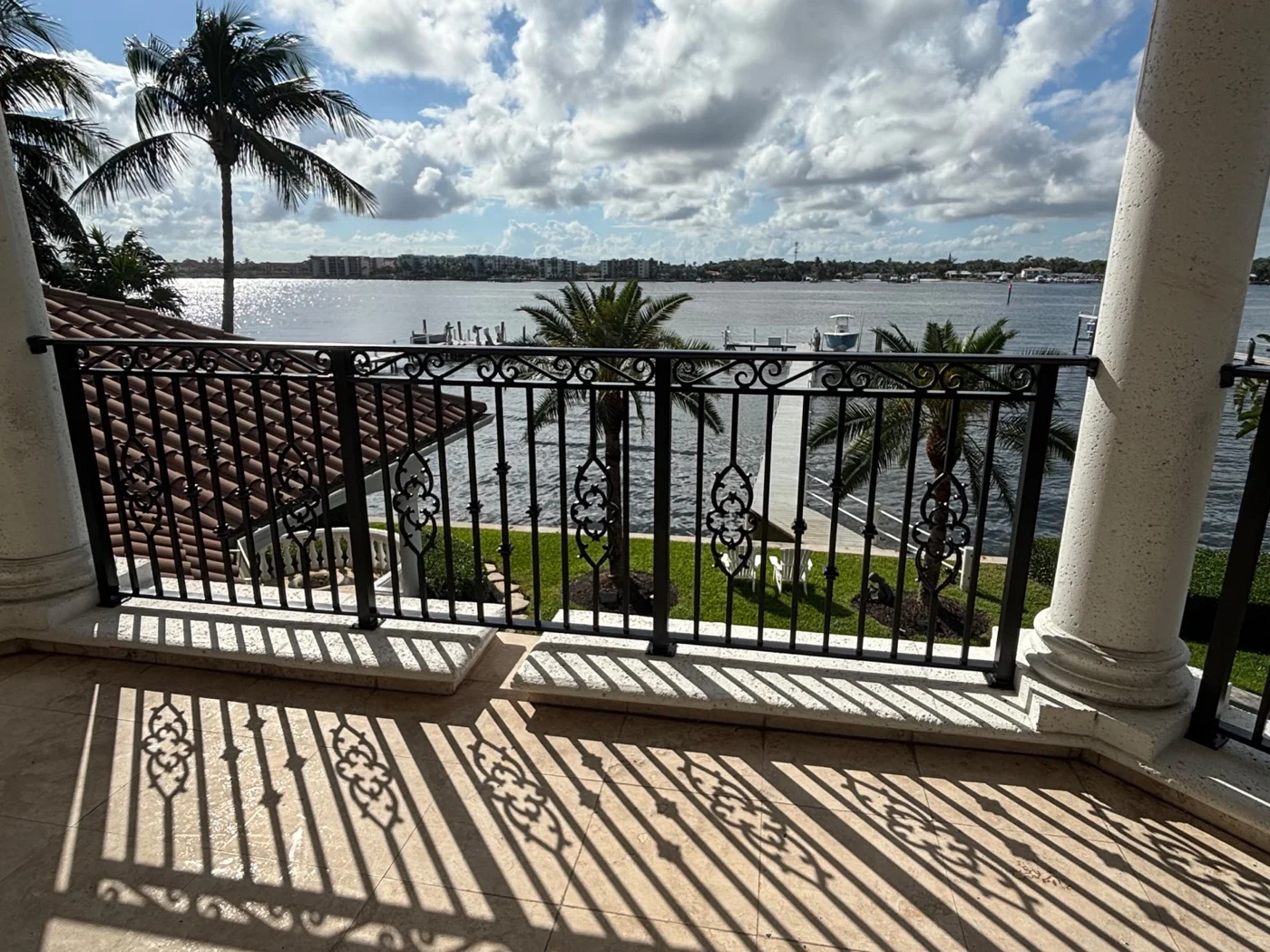
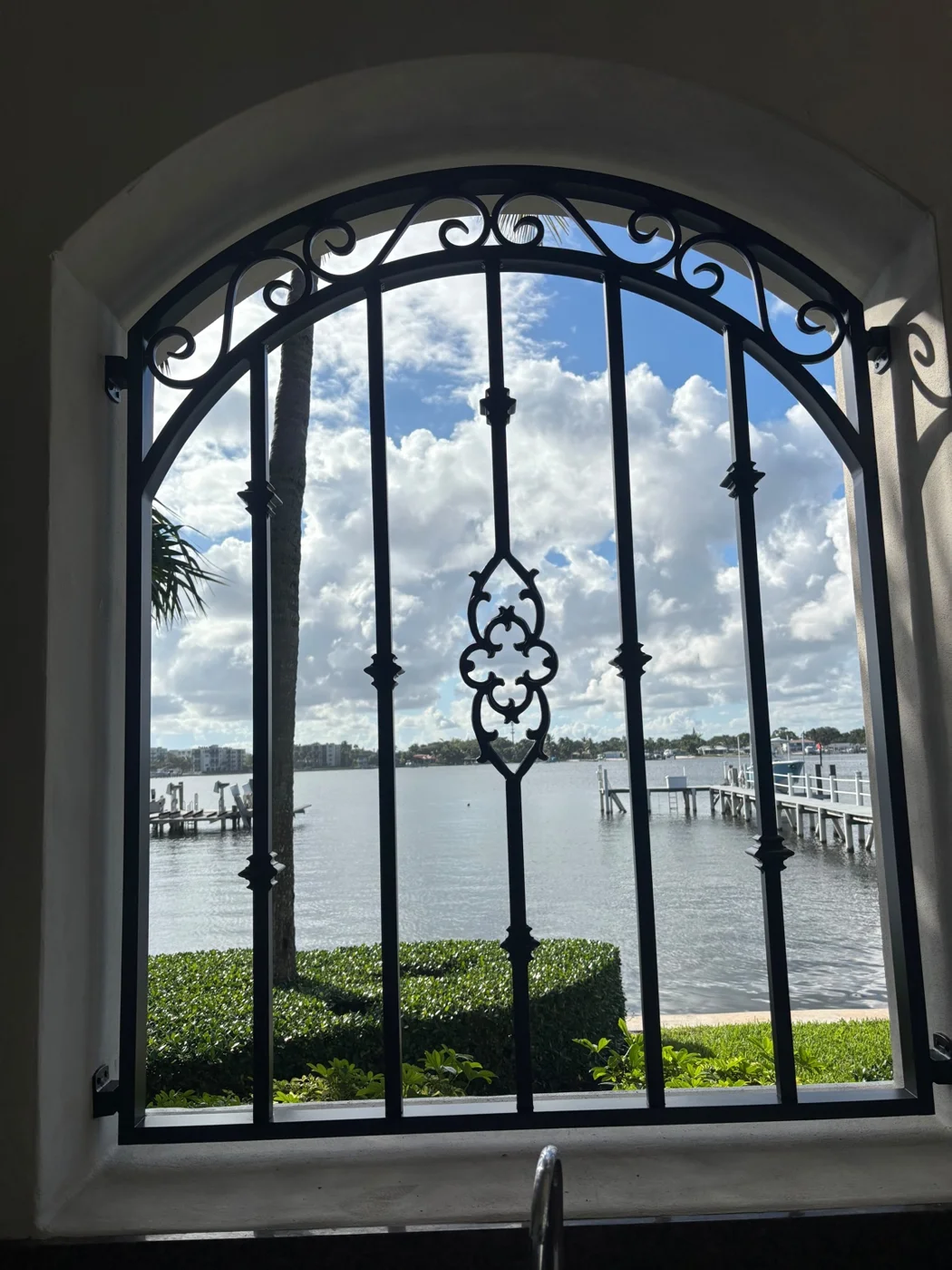
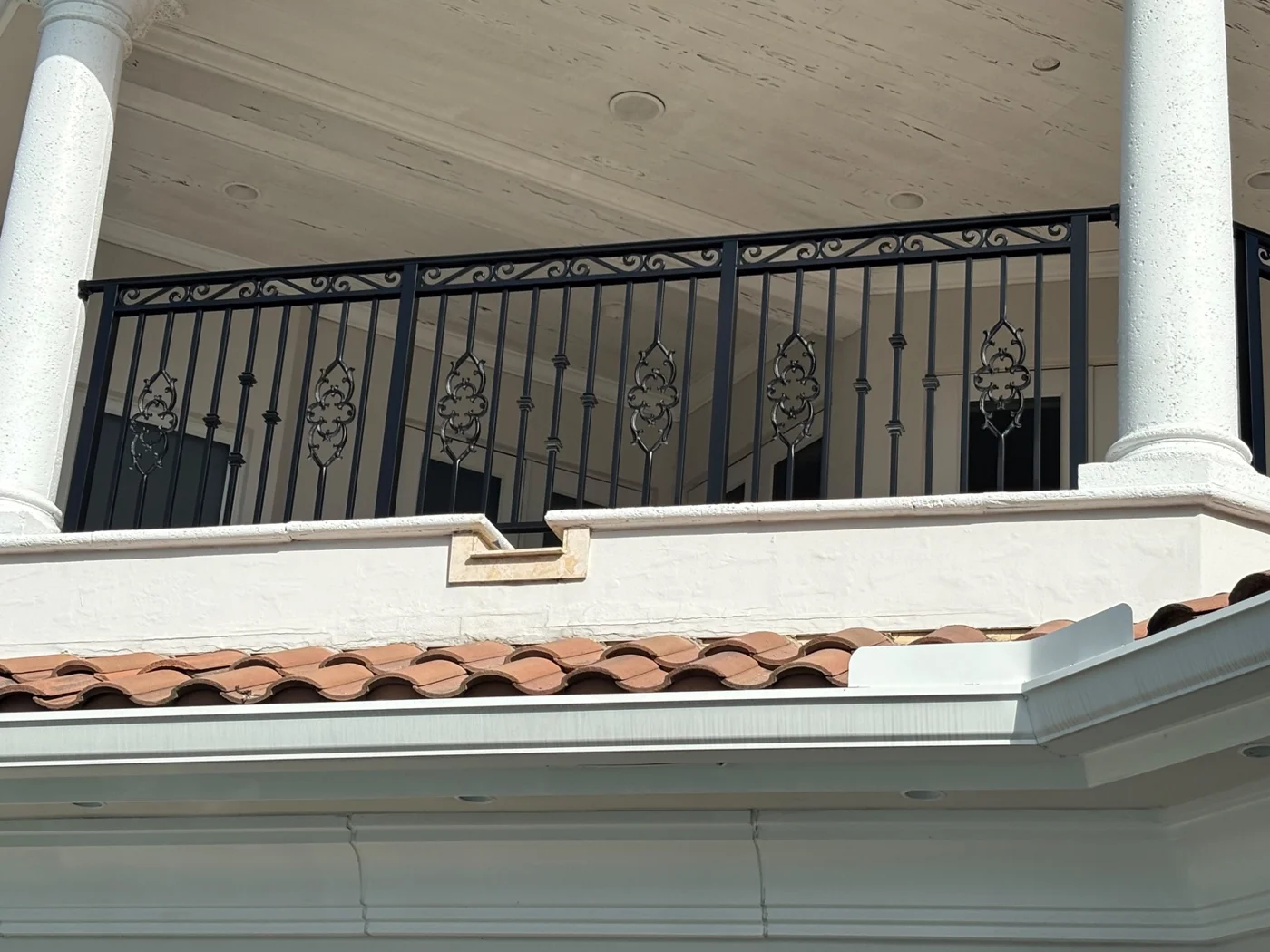
Discuss your property through our fence and gate restoration service page, or review South Florida service areas.
Frequently Asked Questions
Can one primer be used on steel, aluminum and galvanized steel?
Not as a blanket rule. The primer and preparation must be approved for each substrate, existing finish and selected coating system.
Does blasting remove coastal salt contamination?
Not reliably by itself. Cleaning, salt testing where specified and verification must address contaminants separately from coating removal and profile.
Is epoxy always the final exterior finish?
No. UV and other exposures influence the topcoat choice. An approved epoxy primer and compatible weather-resistant topcoat may be one system option.
Can electrostatic painting be performed in any weather?
No. Grounding, safety and masking must be suitable, and the chosen product's temperature, humidity, dew point and curing restrictions still apply.
Tell us whether you have steel or aluminum, your city and where the finish is failing. Overall photos and close views of joints help us discuss preparation, repairs and a coating scope. Use the estimate form to describe the project, or send photos by email to info@electro-paint.com. Request an estimate from Electro Paint Florida or call 305-608-9865.
Related Articles
- Why paint fails on gates and fences
Understand common coating failures before specifying a replacement system.
- When abrasive blasting is the right choice
Compare preparation methods against the substrate and coating specification.
- Restore or replace rusted metal?
Separate a refinish candidate from metal requiring qualified repair or replacement assessment.
- Industrial machinery painting and equipment restoration
Plan exterior equipment coating around isolation, contamination and authorized return to service.