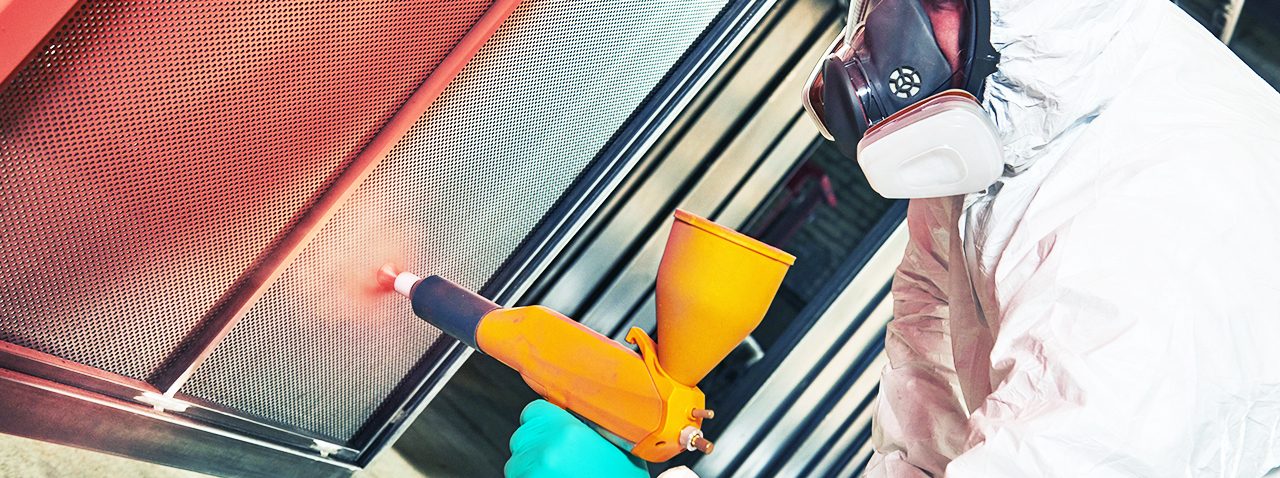
Industrial equipment rarely reaches repainting day in good condition. Years of oil mist, fingerprints, cleaners, labels, repairs, heat, impact, and rushed touch-ups all leave a record on the surface. The machine may still run well, but the exterior tells a different story.
Refinishing can improve appearance, make cleaning easier, and help protect exposed metal. The challenge is doing it without creating a bigger problem for the facility. A machine is not an empty metal cabinet. It has controls, bearings, sensors, lubrication points, data plates, hoses, electrical panels, guards, moving parts, and surfaces that must never receive coating.
Planning Begins with the Facility, Not the Spray Gun
Before a crew shows up, the plant and the contractor agree on the work boundary. Which machines are included? Which surfaces are excluded? Who shuts down, isolates, and verifies the equipment? What production areas stay active? Where can tools and material be staged? How are ventilation and access controlled?
The facility keeps responsibility for its lockout and safety procedures. We coordinate with the plant's designated representative, and we do not assume a machine is safe because it is quiet. A written daily handoff tells both sides when equipment is released for coating work and when it is returned.
Contamination Is Usually the First Technical Problem
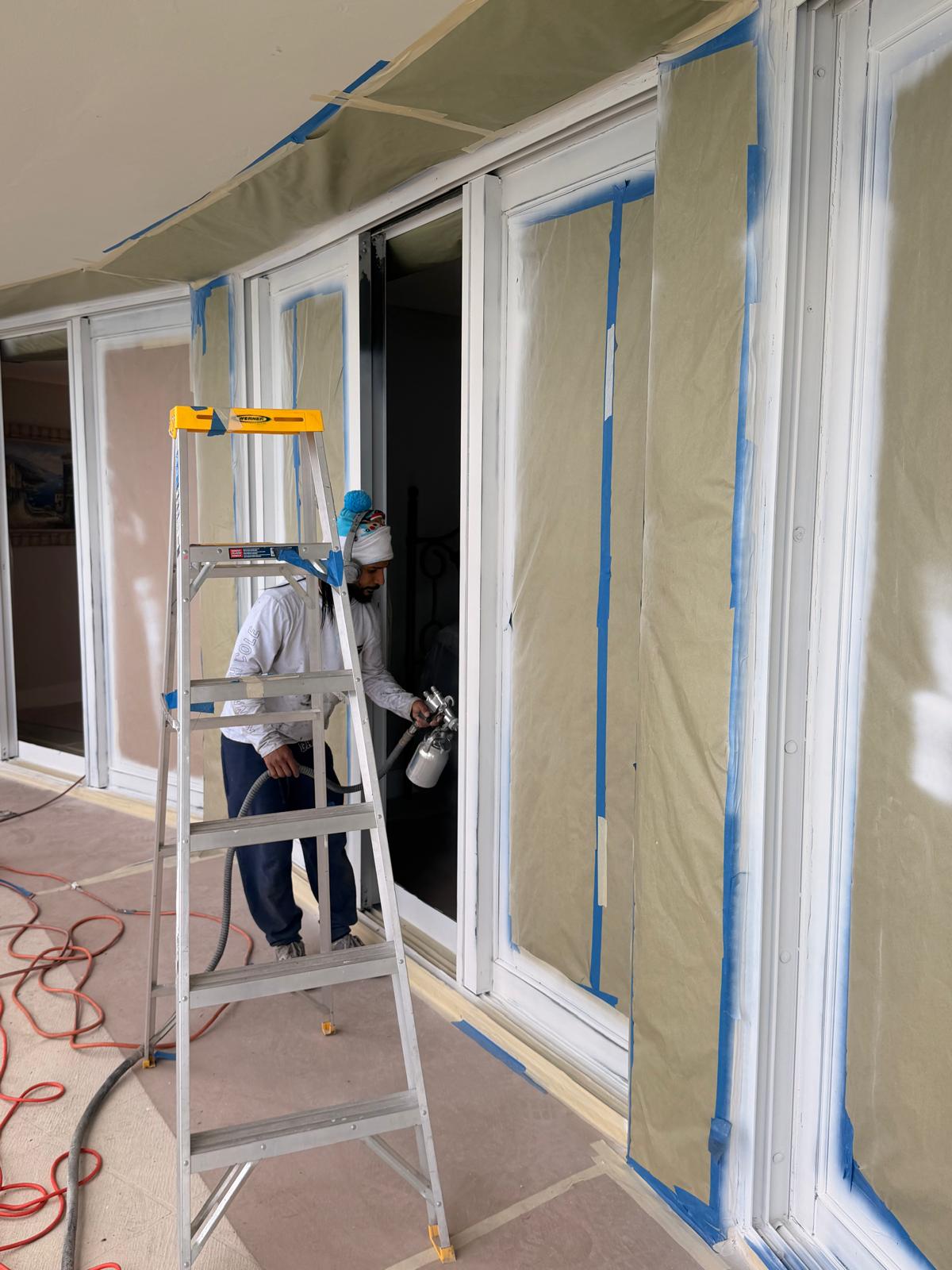
Machinery can look clean after a quick wipe and still carry oil or silicone that ruins adhesion. Degreasing often takes more than one pass. Corners, seams, handles, lower panels, and areas near lubrication points need extra attention.
After cleaning, the existing coating is evaluated. Loose paint and corrosion come off. Sound areas are deglossed to create a mechanical profile. Sharp transitions are feathered so a repaired area does not telegraph through the finish. Bare metal is primed with a system chosen for that substrate and that operating environment.
Masking Protects the Machine's Identity and Function
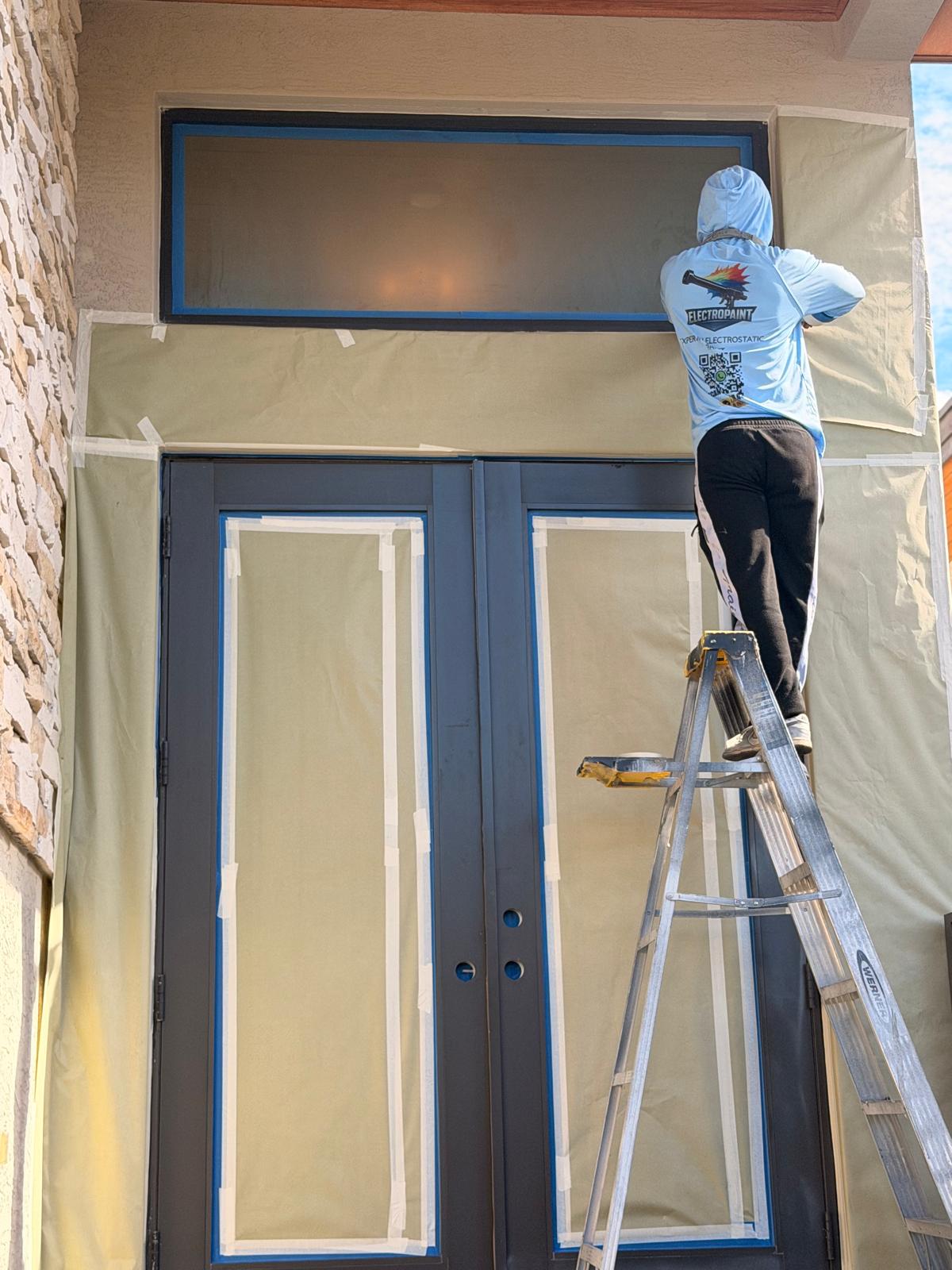
Good masking is detailed and sometimes tedious. Data plates, serial numbers, warning labels, control faces, switches, screens, lenses, grease fittings, shafts, seals, tracks, threads, grounding points, ventilation openings, and moving contact surfaces may each need individual protection.
It is tempting to peel every label and replace it later, but most facilities do not keep duplicates. Photographing the machine before masking creates a record and helps confirm that guards, panels, and labels go back in the right place.
The Coating Schedule Has to Respect Production
Some plants can release a machine for several days. Others need it back every morning. The plan has to match that reality, so a project may be split by machine, production cell, or panel group. Cleaning, preparation, primer cure, finish application, ventilation, masking removal, inspection, and safe return to service all take time on the schedule.
Electrostatic application is efficient on conductive housings and frames because the coating is attracted to grounded metal. Complex geometry, insulated areas, recessed corners, and mixed materials still need skilled technique, and conventional detail work is part of the job where the electrostatic field is less effective. We use the same approach on commercial metal coating and other on-site coating services.
A Finish Should Be Maintainable, Not Just Attractive
Color and gloss matter, especially before a customer visit, an audit, a sale, or a production expansion. Maintenance matters just as much. The finish should be compatible with the cleaners the facility already uses and suited to the exposure it will see. Areas that take constant abrasion, heat, chemicals, or impact may need a different system or more frequent touch-up.
- Masking removed and verified, with labels readable
- Coating continuity checked on panels, frames, and guards
- Panels and guards reinstalled in the correct position
- Written list of excluded, deferred, or damaged areas
- Labeled touch-up material when the maintenance team will use it correctly
What refinishing cannot do is repair a machine. It will not correct worn components, cracked frames, leaks, or metal that has lost significant thickness, and it should never be used to cover a safety problem. Those items belong to the mechanical trades, and the coating scope should be sequenced around them. Examples of our completed work are on the projects page.
Questions property owners ask
Who is responsible for lockout during machinery coating work?
The facility remains responsible for its own lockout and safety procedures. The coating contractor coordinates with the facility's authorized representative and works only on equipment that the plant has released in writing for that shift.
Can machinery be refinished without shutting down the whole plant?
Usually. Work is normally divided by machine, production cell, or panel group so that only part of the floor is affected at a time, and the schedule is built around cleaning, preparation, primer cure, finish application, ventilation, masking removal, and return to service.
What gets masked on a machine?
Data plates, serial numbers, warning labels, control faces, switches, screens, lenses, grease fittings, shafts, seals, tracks, threads, grounding points, ventilation openings, and moving contact surfaces are protected individually.
Where industrial and institutional coating work is common across South Florida
Plant equipment, warehouse structural steel, and institutional metal assets are concentrated in the industrial corridors of Miami-Dade County, Broward County, and Palm Beach County. Facility and maintenance managers in these areas coordinate refinishing work around production schedules, safety procedures, and equipment that cannot be shipped to an off-site finishing shop.
Miami-Dade County|Broward County|Palm Beach County|Miami|Doral|Medley|Hialeah|Fort Lauderdale|Pompano Beach|Deerfield Beach|Boca Raton|West Palm Beach
Need a practical opinion on a metal restoration project? Electro Paint Florida provides site evaluations and detailed estimates for contractors, municipalities, property managers, and building owners throughout South Florida. Request an estimate from Electro Paint Florida or call 305-608-9865.
Related Articles
- Electrostatic Painting vs. Powder Coating for Installed Metal
Why equipment that cannot go to a shop oven is coated differently.
- What a Fence and Handrail Coating Scope Should Define
Scope, quantities, submittals, and closeout for institutional coating work.